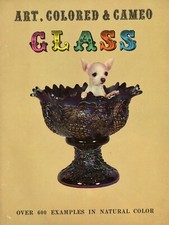
The Union Glass Co. was established in 1851 in Somerville, Massachusetts by Amory and Francis Houghton, two members of the prominent Houghton business family. The company was successful making a range of glass products doorknobs, lamps, bottles, windows, lenses, tableware and were especially noted for railroad lanterns. The company adapted to changing fashions and economic conditions and as the society grew richer the company moved into art glass. The company was modernized by Julian de Cordova, the factory was re-equipped and he employed William S Blake as the factory manager.
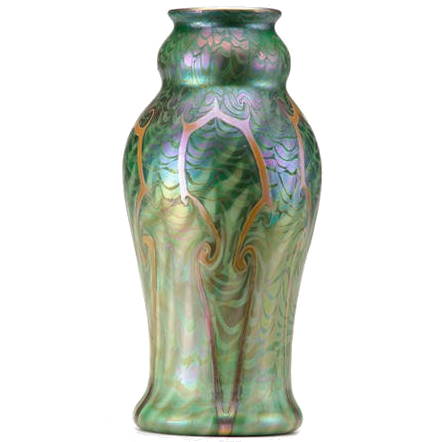
With the great success of art glass companies such as Tiffany and Quezal in the late 19th century, the Union Glass Co introduced their own range of iridescent glass which was called Kew Blas. Iridescent glass is a type of glass that typically contains a small amount of metal oxide. When light strikes the surface of the glass, it is reflected in a way that creates a spectrum of colors.
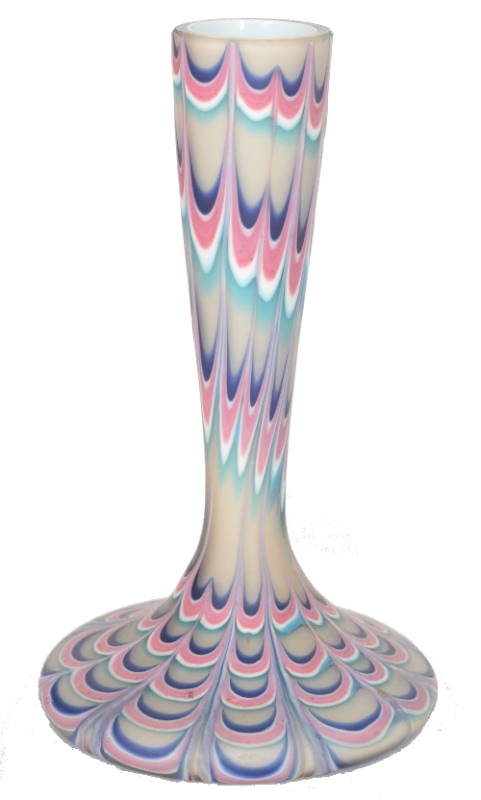
Kew Blas is an anagram of W S Blake, the factory manager at the time. The glass is characterized by symmetrical shapes, many with a pulled feathered decoration. The company created a a number of different vases of various styles. The range was very successful in the early 1900s but as tastes changed towards iridescent and cut glass, and along with other issues, the factory was closed down in 1927.

Most Kew Blas pieces are signed Kew Blas on the base.
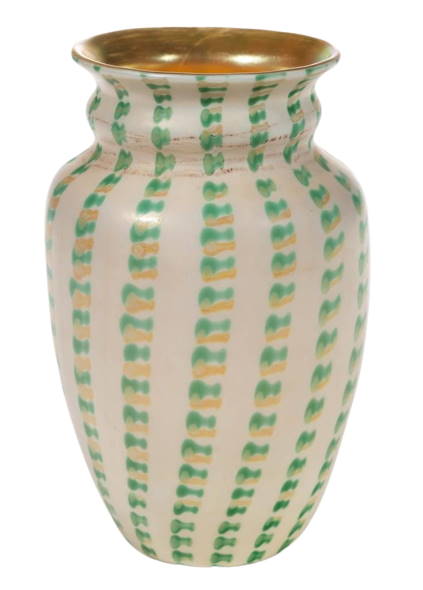
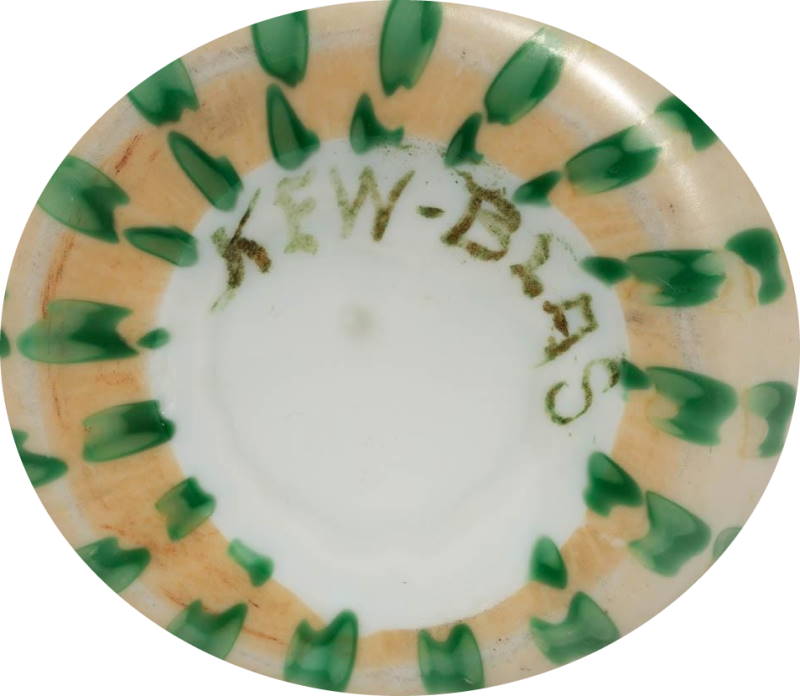
There is a fairly strong secondary market with a small steady stream of pieces coming to market. Fine examples can be sold for over $1,000. We include a number of Kew Blas Art Glass pieces which have sold at auction along with their realized prices.

Related
The Union Glass Company: A window into Somerville history
Related Collectibles on eBay
 Antique Kew-Blas Gold Iridescent Bowl with Pinched Sides Signed!
£221.44
Antique Kew-Blas Gold Iridescent Bowl with Pinched Sides Signed!
£221.44
 Corning Museum of Glass Postcard American Art Glass Tiffany Steuben
£1.76
Corning Museum of Glass Postcard American Art Glass Tiffany Steuben
£1.76
 Nineteenth-Century Art Glass by Ruth Webb Lee, 1952, 1st Edition
£8.11
Nineteenth-Century Art Glass by Ruth Webb Lee, 1952, 1st Edition
£8.11
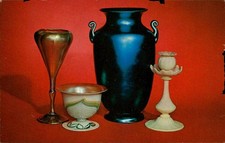 Vintage American Art Glass Exhibit Postcard Tiffany Steuben Corning NY
£5.54
Vintage American Art Glass Exhibit Postcard Tiffany Steuben Corning NY
£5.54
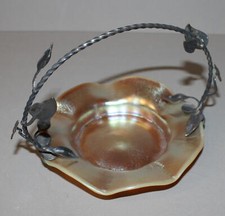 Art Glass Basket or handle Tray – Metal Handle signed Kew-Blas
£276.81
Art Glass Basket or handle Tray – Metal Handle signed Kew-Blas
£276.81
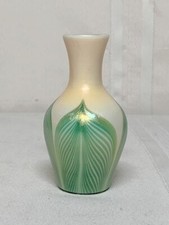 KEW BLAS, MINIATURE GREEN FEATHER PULL BUD VASE, QUITE RARE, BEAUTIFUL~~~
£513.03
KEW BLAS, MINIATURE GREEN FEATHER PULL BUD VASE, QUITE RARE, BEAUTIFUL~~~
£513.03
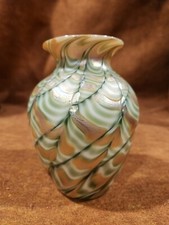 KEW BLAS Vase unsigned
£479.81
KEW BLAS Vase unsigned
£479.81
 KEW BLAS, MINIATURE GOLD FEATHER PULL BUD VASE, QUITE RARE, BEAUTIFUL~~~
£461.36
KEW BLAS, MINIATURE GOLD FEATHER PULL BUD VASE, QUITE RARE, BEAUTIFUL~~~
£461.36
eBay listings may contain affiliate links. We may earn a commission from qualifying purchases.