Sometimes a piece of pottery simply demands attention. It might be the vivid colour, intricate texture, or gentle sculptural detail that makes you pause. That was the case when I spotted a delicate ceramic bowl in a South Wales antiques centre—its sculpted foliage and soft pastel tones evoked nature frozen in time. At just £4, I couldn’t resist it. This was a creation from the well-loved ceramics studio established by Sheila and John Francis.
From the Isle of Wight to the World
Founded in 1978, the studio operated from a converted barn near Yarmouth on the Isle of Wight. Sheila and John Francis, both trained at the Royal College of Art, spent the 1960s and 70s developing ceramic departments across Africa before returning to the UK. With this wealth of experience, they set out to create work that was both decorative and unique—ceramic art rather than utilitarian tableware.
Water Gardens in Clay
Their signature theme was the “water garden,” expressed in shallow porcelain bowls adorned with sculpted leaves, blossoms, and natural textures. The influence of West African flora was clear, yet the designs felt quintessentially British—serene, balanced, and deeply tactile. Hand-modelled components meant every creation was one-of-a-kind, often with visible fingerprints of the potters themselves.
Subtle Colours and Unique Techniques
Each piece was made from stoneware or creamy porcelain, coloured with delicate stains rather than glazes. Shades of green, pink, blue, and yellow were applied before firing with a satin finish. This created a matte, naturalistic texture, which differentiated their work from glossier contemporary pottery. Frilled edges and sculptural forms added to the organic feel.
Building an International Following
While many early buyers were tourists to the Isle of Wight, Sheila and John also built international demand. They exhibited at trade shows across the UK and Europe and even demonstrated their methods at Busch Gardens in Florida. Stocked by Liberty and Harrods, their ceramic art reached collectors across Japan, the US, and South Africa.
A Golden Era of Creativity
By the late 1980s, the studio offered over 30 unique designs and employed 10 staff. Special editions like the “Ice Maiden” series featured abstract flowers on sleek cylinders that glowed beautifully when lit from within. Birds, cats, and fantasy creatures like dragons and dinosaurs were later introduced and became popular motifs.
Markings and Identification
Early items bore a printed ‘cp’ monogram, later impressed into the porcelain. Paper labels also appeared from the early 1980s. Each item was handmade, and imperfections—like tiny fingerprints—serve as charming evidence of its origins. Be aware that damage, particularly chips to the delicate rims, significantly affects value.
Popularity and Legacy
Despite challenges during the 1990s recession, the studio’s output remained strong. By 1998, the pottery had attracted over 40,000 annual visitors. John and Sheila retired in 2001, and the studio was sold the following year. John sadly passed away in 2003, but Sheila remains on the island, a testament to the legacy they built.
Market and Value Guide
Today, most pieces can be found under £100, with common bowls priced between £20–£50. Rare or larger items like the Coral Reef Fish Fountain can command prices up to £300. Prices vary based on condition, size, and rarity—but interest is growing, making these works appealing to both collectors and investors.
A Collector’s Perspective
Ann Wheeler, whose husband worked with the pottery, reflects the enduring charm of the designs: “I couldn’t afford much in the ‘80s, but I’m indulging myself now. The floral motifs and soft colours are still as beautiful as ever.”
Find Out More
- A Century of Ceramics: A Selection of 20th Century Potters & Potteries in the Isle of Wight by Lisa & Andrew Dowden and Robin Goodredge
- Artius Glass – specialists in Isle of Wight ceramics
- Mark Hill’s blog on collectables and design
after a feature by Mark Hill originally printed in ARC Magazine
Frequently Asked Questions About Chessell Pottery
What is Chessell Pottery?
Chessell Pottery is a handmade studio pottery produced from 1978–2001 on the Isle of Wight. It features hand-modeled floral and organic forms, delicate pastel colours, and is known for its sculptural quality.
Is Chessell Pottery valuable?
Yes. While many pieces sell for under £50, rarer or larger designs can reach £200–£300 or more at auction. Condition and rarity affect value.
How can I identify Chessell Pottery?
Look for the early printed “cp” mark or later impressed stamps. Unique modeling and delicate colours also help confirm authenticity.
Related Collectibles on eBay
 Chessell Pottery Floral Bowl 23.5cm wide x 9cm tall vintage
£16.50
Chessell Pottery Floral Bowl 23.5cm wide x 9cm tall vintage
£16.50
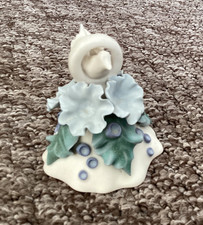 Chessell Pottery Bell Dove Design Vintage
£10.80
Chessell Pottery Bell Dove Design Vintage
£10.80
 Chessell pottery. I. O. W pink and white swan.perfect
£10.80
Chessell pottery. I. O. W pink and white swan.perfect
£10.80
 CHESSELL ART POTTERY WATER GARDEN BOWL vintage whimsy cottage core homeware
£15.99
CHESSELL ART POTTERY WATER GARDEN BOWL vintage whimsy cottage core homeware
£15.99
 Small Chessell Studio Pottery Lily Pond Ornament Sculpture
£10.80
Small Chessell Studio Pottery Lily Pond Ornament Sculpture
£10.80
 Vintage Chessell Studio Pottery Fish, ornament or light pull
£8.66
Vintage Chessell Studio Pottery Fish, ornament or light pull
£8.66
 Chessell Pottery Floral Napkin Rings X 12
£10.80
Chessell Pottery Floral Napkin Rings X 12
£10.80
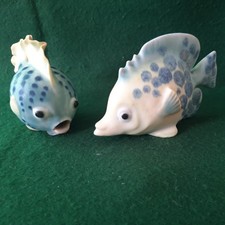 2 x Chessell Pottery Fish Ornaments Figurines Vintage Blue Yellow
£31.00
2 x Chessell Pottery Fish Ornaments Figurines Vintage Blue Yellow
£31.00
eBay listings may contain affiliate links. We may earn a commission from qualifying purchases.