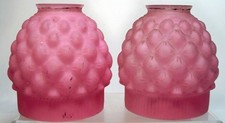
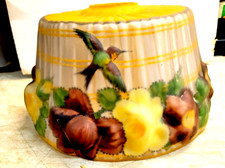
The Pairpoint Corporation, established in 1900 in New Bedford, Massachusetts, became one of America’s most distinctive early twentieth-century lighting manufacturers. Among its most celebrated creations were the blown glass shades known as “Puffies”, a striking alternative to the leaded-glass lamps popularised by Tiffany Studios. We take a look at these unique lamps along with a price guide of realised prices of some examples at auction.
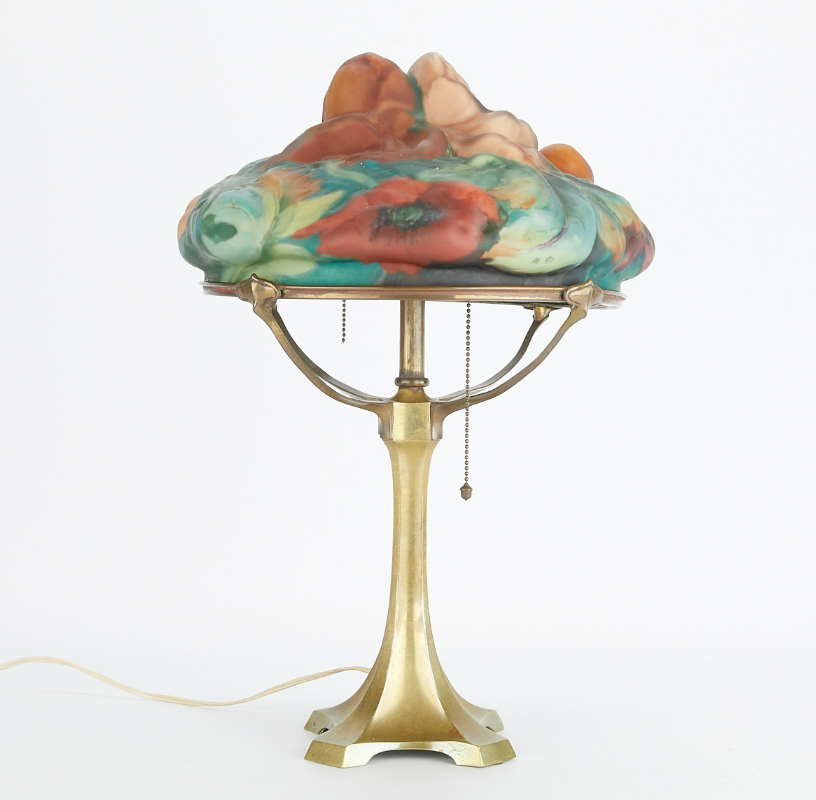
Unlike the mosaic construction of Tiffany lamps, Pairpoint Puffies were created from blown glass moulded in high relief, with floral designs formed directly into the surface of the shade. The decoration was then hand-painted on the inside of the glass, allowing the colour to glow warmly when illuminated. This interior painting technique created remarkable depth and richness, while also protecting the surface design.
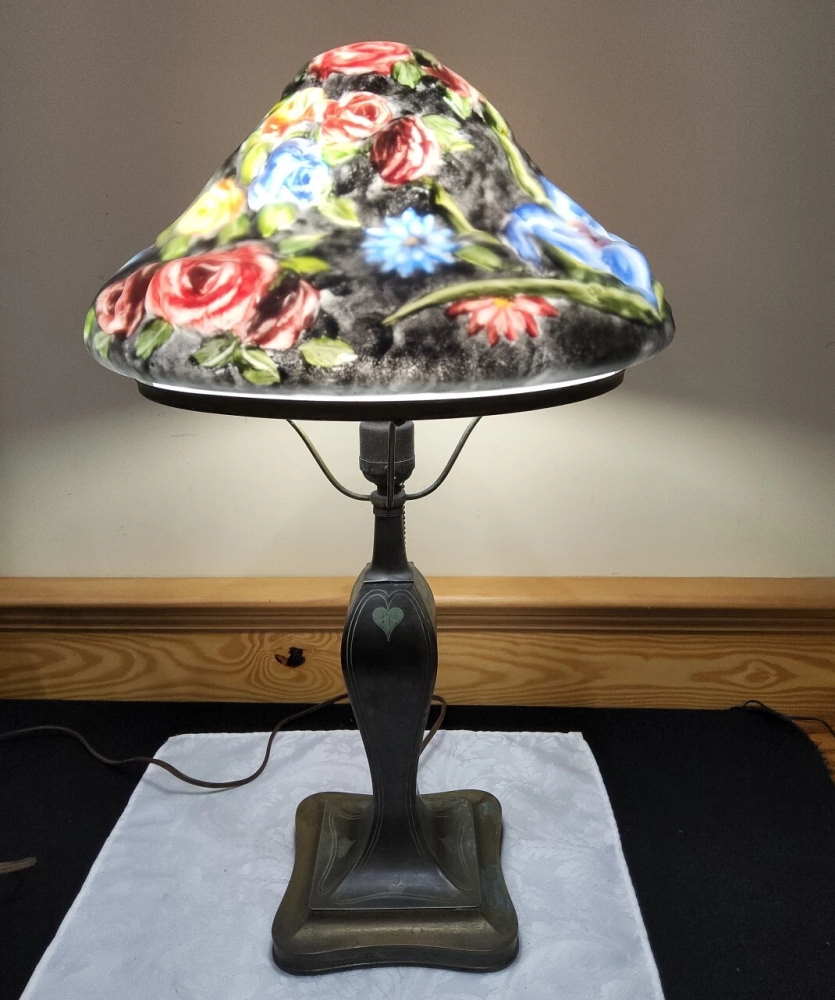
Common motifs included roses, dogwoods, pansies, apple blossoms, chrysanthemums, and even hummingbirds. The colour palette was generally softer than that of Tiffany, with golds, pinks, oranges, and browns predominating. These tones suited the flowing, organic forms of the Art Nouveau period, and the raised, sculptural surface of the glass gave the lamps a tactile, almost three-dimensional quality.
Pairpoint produced Puffies in a wide variety of designs and sizes. Smaller versions were marketed as “boudoir puffies”, intended for more intimate domestic settings. Larger examples appeared as table lamps, floor lamps, and even chandeliers. The shades were often paired with interchangeable bases, allowing customers to select from ribbed metal forms or more elaborate figural supports typical of the period. Particularly sought after today are bases featuring classical female figures or richly modelled Art Nouveau detailing.
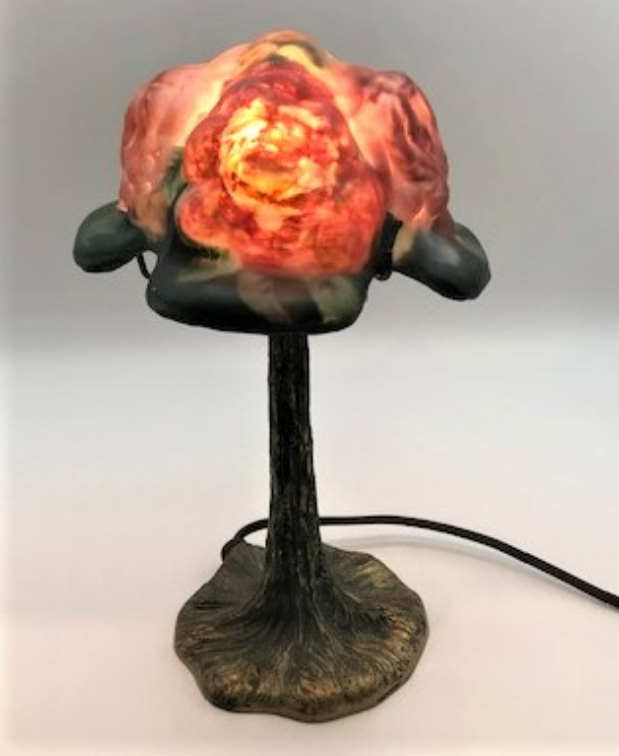
One of the most recognisable and enduring designs is the “Rose Bouquet” model, with its brilliant pink blossoms in high relief. Popular when first introduced, it remains highly collectable today. Other designs, such as hummingbird and chrysanthemum combinations, demonstrate Pairpoint’s flair for naturalistic yet decorative composition.
In addition to Puffies, Pairpoint manufactured ribbed and scenic blown shades, as well as leaded-glass lighting. However, the firm did not always sign its work, which can make identification challenging. Collectors must examine the moulded detail, interior painting technique, and period bases carefully. Contemporary competitors such as Duffner & Kimberly and manufacturers like Miller Co. and Jefferson Co. also produced Art Nouveau lighting, though often in smaller quantities.
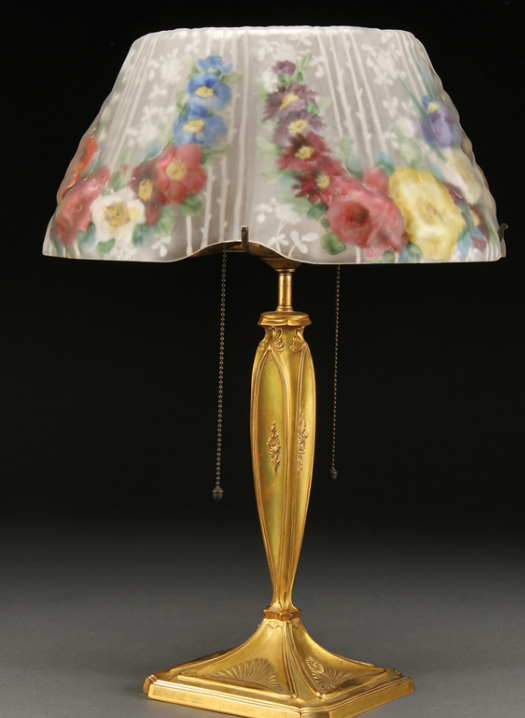
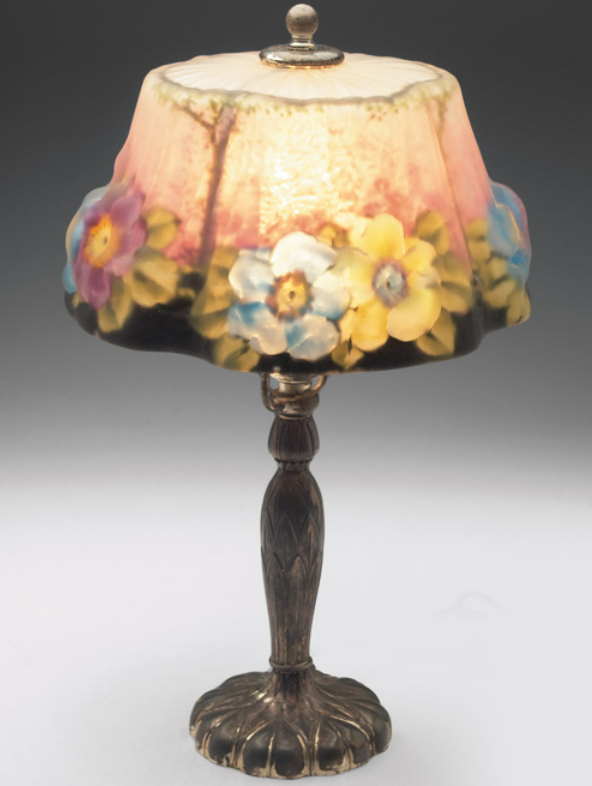
Today, Pairpoint Puffy lamps stand as icons of American Art Nouveau design — beautifully proportioned, technically innovative, and distinct from the better-known Tiffany aesthetic. Their sculptural glass surfaces continue to capture the soft glow of early twentieth-century craftsmanship.
Related
Vallauris Fish Lamps Illuminating the Depths of Mid-Century Design
Related Collectibles on eBay
 Rare Large Pairpoint Puffy Roses Painted Lamp Shade Copper Edge Red Purple
£1,135.07
Rare Large Pairpoint Puffy Roses Painted Lamp Shade Copper Edge Red Purple
£1,135.07
 Dale Tiffany Puffy Pansy Pairpoint Lamp Shade 16" Hand Painted Art Glass Floral
£252.07
Dale Tiffany Puffy Pansy Pairpoint Lamp Shade 16" Hand Painted Art Glass Floral
£252.07
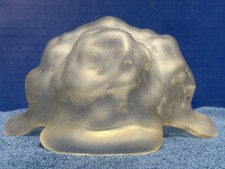 Pairpoint Miniature Puffy Rose Bouquet Frosted No Artwork As Is Lamp Shade Only
£175.58
Pairpoint Miniature Puffy Rose Bouquet Frosted No Artwork As Is Lamp Shade Only
£175.58
 Pairpoint Puffy boudoir lamp. signed. 8 1/2" diameter shade. Metal base
£715.84
Pairpoint Puffy boudoir lamp. signed. 8 1/2" diameter shade. Metal base
£715.84
 Antique Pairpoint Puffy Grape Pattern Lamp Shade Only Pat. Sept 20, 1910
£135.06
Antique Pairpoint Puffy Grape Pattern Lamp Shade Only Pat. Sept 20, 1910
£135.06
 Antique Pairpoint Table Lamp w/ Pull Chain for Puffy Reverse Painted 10” SHADE
£265.63
Antique Pairpoint Table Lamp w/ Pull Chain for Puffy Reverse Painted 10” SHADE
£265.63
 1 PAIRPOINT Style Puffy Antique 7" Replacement Boudoir Lamp Shade ROSE PINK
£67.53
1 PAIRPOINT Style Puffy Antique 7" Replacement Boudoir Lamp Shade ROSE PINK
£67.53
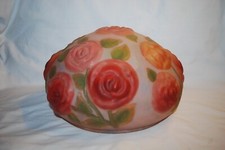 BEAUTIFUL REPRODUCTION PAIRPOINT PUFFY ROSES LAMP REVERSE PAINTED SHADE 10" RIM
£150.06
BEAUTIFUL REPRODUCTION PAIRPOINT PUFFY ROSES LAMP REVERSE PAINTED SHADE 10" RIM
£150.06
eBay listings may contain affiliate links. We may earn a commission from qualifying purchases.