The Zotty bear is a charming representation of the post-war era’s newfound hope and optimism. First produced in 1951 by the renowned German toy manufacturer Steiff, and later by the Hermann Teddy Bear Company, this iconic bear is distinguished by its innovative open-mouthed design and shaggy fur. In this feature, we take a look at this unique Teddy Bear and the history behind its creation by both Steiff and Hermann.

A standout feature of the Zotty bear is its distinctive open-mouthed design, which imparts a cheerful and optimistic expression. This design choice was a breath of fresh air in the post-war era, serving as a symbol of hope and reflecting the prevailing mood of the time. The Zotty bear’s friendly expression resonated with people who were eager to embrace a brighter future after the devastation of World War II.
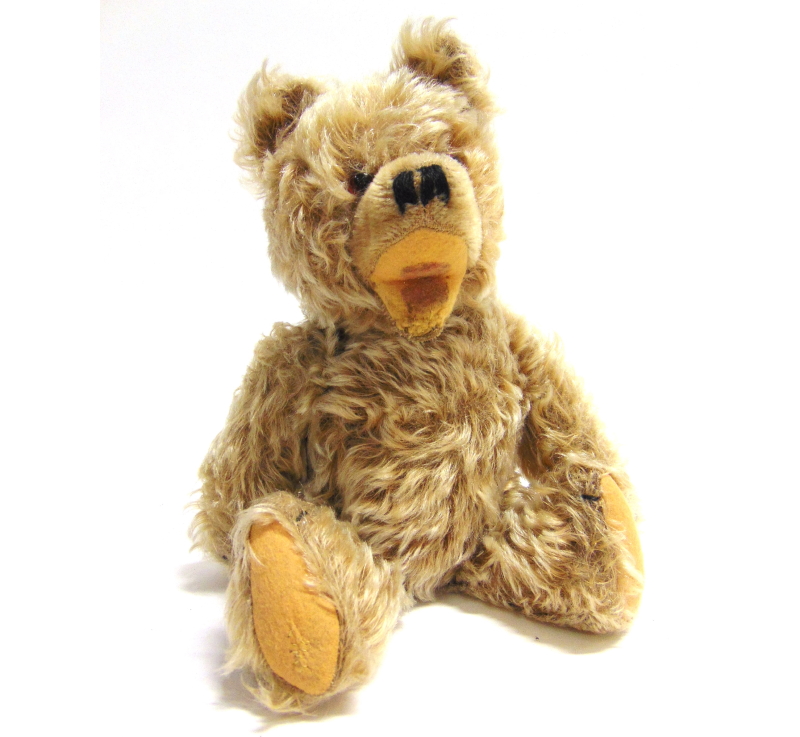
The Zotty bear also showcased long, shaggy fur, which contrasted with the short-haired teddy bears that were popular prior to the war. This change in design stemmed from the economic upturn following the war, as manufacturers were no longer restricted by wartime scarcities. With more resources available, bear makers started experimenting with higher-quality materials, resulting in the Zotty bear’s unique shaggy appearance.
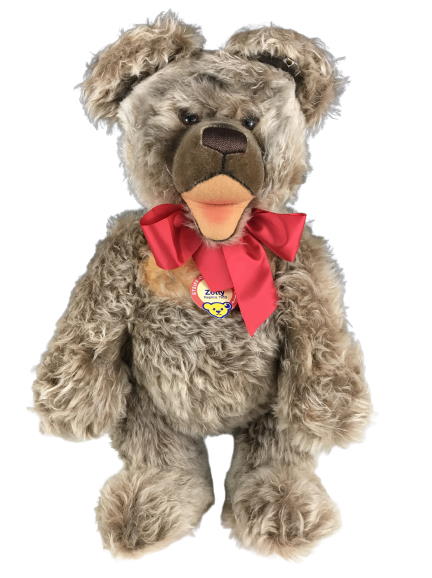

The name “Zotty” is derived from the German word “zottig,” which translates to shaggy or tousled. This name aptly captures the bear’s distinct appearance, characterized by its long, shaggy fur that sets it apart from other teddy bears. It also pays homage to the bear’s German origins.
Steiff, the inventor of the teddy bear in 1902, was the first to introduce the Zotty bear in 1951. The Hermann Teddy Bear Company later followed suit by creating their own rendition of the Zotty bear. Both companies Zotty bears captured the spirit of the era, with open mouths and happy expressions. The main differences between the two Zotty bears, other than the Steiff button in ear and tags, is that the Steiff Zotty usualy sported a different colour bib which was often peach coloured. The bib is the area from the next to middle of the chest. Early example of the bears often contained growlers.

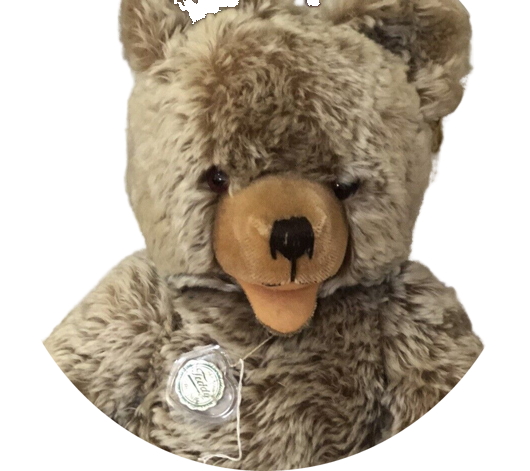
In terms of value the earlier Steiff bears are more value than their equivalent Hermann bears.
Today, the Zotty bear remains a beloved classic among collectors and teddy bear enthusiasts. Its unique design, embodying the hope and optimism of the post-war era, continues to resonate with people around the world.
Related
Teddy Bears Record Prices at Auction
Related Collectibles on eBay
 Zotty Bear Fully Jointed Soft Toy 14” Teddy Bear Collectable VGC
£28.00
Zotty Bear Fully Jointed Soft Toy 14” Teddy Bear Collectable VGC
£28.00
 Steiff Zotty bear limited edition boxed
£78.70
Steiff Zotty bear limited edition boxed
£78.70
 Vintage 11" (28 cm) High Steiff Zotty Threadbare Teddy Bear
£19.99
Vintage 11" (28 cm) High Steiff Zotty Threadbare Teddy Bear
£19.99
 Vintage 8" (21 cm) High Steiff Zotty Threadbare Teddy Bear
£18.99
Vintage 8" (21 cm) High Steiff Zotty Threadbare Teddy Bear
£18.99
 Vintage German 10ins Pink & White Plush Zotty Bear with Working Squeaker
£40.22
Vintage German 10ins Pink & White Plush Zotty Bear with Working Squeaker
£40.22
 VINTAGE German Mohair Hermann Teddy Bear ZOTTY
£34.00
VINTAGE German Mohair Hermann Teddy Bear ZOTTY
£34.00
 Vintage Small Steiff Zotty Bear: 1960s Collectible - No Ear Pin
£42.49
Vintage Small Steiff Zotty Bear: 1960s Collectible - No Ear Pin
£42.49
 Zotty Teddy Bear
£73.50
Zotty Teddy Bear
£73.50
eBay listings may contain affiliate links. We may earn a commission from qualifying purchases.