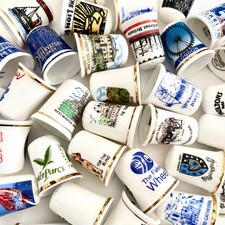
What Is a Thimble? A Short History
Before woven textiles became common, clothing made from hides and skins didn’t require a fingertip protector. Once needles and thread arrived, pushing a needle through thick fabric demanded protection—hence the thimble. Early versions were made from wood, bone, leather, tin and bronze; later, brass became common. As needlework evolved into a refined pastime, wealthy makers and buyers favoured delicately patterned silver and even gold, sometimes set with stones.
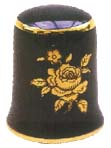
Pictured: A Limoges porcelain thimble
How Thimbles Were Used
Not all early examples had closed tops—many were “open” so the side could drive the needle. Sailors tackling heavy canvas used a palm guard (a leather pad with a metal plate) rather than a fingertip cover. Thimbles also became tokens of affection and good luck—silver miniatures dropped into Christmas puddings were said to bring fortune to the finder.
From Tools to Collectibles
Modern polished needles and lighter fabrics mean many stitchers no longer need a thimble, yet collecting has flourished. Thimbles are small, affordable, and easy to display in wall cabinets with individual compartments. They’re also highly varied: china, precious metals, wood, pewter, glass, even crocheted wool—and themed for almost any subject or event.
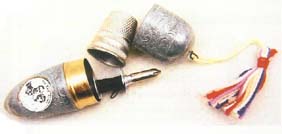 Pictured: A 1930s Commemorative thimble case
Popular Themes and Ways to Collect
- By maker: Wedgwood, Spode, Royal Worcester, Coalport, Royal Doulton, Caverswall, Wade and others.
- By subject: animals, flowers, ships, maps, birds, trains, cars, nursery tales and literary characters.
- By type: commemoratives, advertising, silver, enamelled, novelty, cloisonné, crystal and souvenir issues.
- By place: souvenir thimbles from resorts, stately homes, zoos and museums.
Famous Ranges and Novelty Ideas
Decorated bone china designs include popular character sets (for example, Royal Doulton’s Brambly Hedge) and special commissions from Caverswall. Wade issued “Whimbles,” featuring characters such as Betty Boop. Novelty ideas span pewter figures, hinged doors revealing scenes, magnifier lenses in the tip, perforated “scene” designs (e.g., tunnel-and-train), scented tops, wax candle inserts and even a marzipan thimble issued by the Thimble Guild.
Materials and Craftsmanship
 Pictured: Royal Doulton Brambly Hedge thimbles
Materials track both utility and fashion. Practical brass and steel examples sit alongside silver and gold presentation pieces, enamelled and jewelled showpieces, and porcelain souvenirs. Many museums sell replicas of medieval, Tudor or Roman styles—an accessible way to add historical “types” without paying museum-level prices for originals.
Display, Storage and Care
Wall-hung cabinets with individual cubbies keep small items safe and dust-free, while making an attractive display. For cleaning, avoid harsh abrasives; delicate enamels and gilding benefit from a soft brush and mild soapy water. Grouping by theme, material or maker helps visitors read the story of your collection at a glance.
Clubs, Terminology and Community
Collectors sometimes call themselves digitabulists. Clubs and online groups share research, host swaps and publish checklists of makers and marks. Commemoratives mark royal events, eclipses and anniversaries; cross-collectors (e.g., Wade or character collectors) often dip into thimbles too.
 Pictured: An Old brass thimble c1835
Buying Tips and Values
- Condition first: Check rims, tips and enamel for chips, cracks or losses.
- Rarity and subject: Limited runs, early makers, unusual materials and beloved themes attract higher bids.
- Pairs and sets: Keep boxed sets and paperwork; provenance helps.
- Display appeal: Cohesive themes add value to a collection even when individual pieces are modestly priced.
Why People Still Love Thimbles
They’re compact, colourful and endlessly varied. Whether you collect for craft history, design, or the thrill of the hunt, thimbles offer quick wins and long-term depth—ideal for beginners and experts alike.
Pictured: Selection of enamel Cloisonne, crystal, pewter, child’s and aluminium advertising thimbles

Frequently Asked Questions
What is the best way to start a thimble collection?
Pick a theme—maker, material or subject—and build a small, cohesive group. Use a wall cabinet for safe, attractive display and focus on condition and authenticity.
Are commemorative and souvenir thimbles worth collecting?
Yes. While many are inexpensive, sets tied to popular events or makers can be desirable—especially in original boxes or complete series.
Which makers are popular with collectors?
Well-known names include Wedgwood, Spode, Royal Worcester, Coalport, Royal Doulton, Caverswall and Wade, plus character-series issues and artisan enamel work.
How can I tell if a thimble is valuable?
Condition, rarity, maker and subject drive value. Look for damage, check maker marks, and compare with recent auction results for similar examples. The current market is weak compared to the past so it is a great time to start a collection.
After an article by Susan Brewer.
.
Related Collectibles on eBay
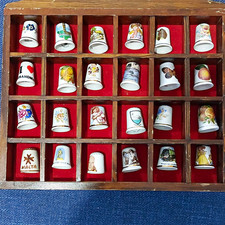 Sutherland Mixed China/Porcelain Souvenir Thimbles Flowers/Fruit w/Case
£10.80
Sutherland Mixed China/Porcelain Souvenir Thimbles Flowers/Fruit w/Case
£10.80
 Henry VIII Bone China 7pcs Thimble Set plus display box
£22.66
Henry VIII Bone China 7pcs Thimble Set plus display box
£22.66
 Sewing Thimble for Hand Sewing Metal Finger Protector Hand Stitching DIY Tool~UK
£1.77
Sewing Thimble for Hand Sewing Metal Finger Protector Hand Stitching DIY Tool~UK
£1.77
 Job Lot of 37 Thimbles - various towns/cities/countries - varied materials
£4.38
Job Lot of 37 Thimbles - various towns/cities/countries - varied materials
£4.38
 Copper Sewing Thimble Metal Finger Protector DIY Sewing Tool UK.
£3.38
Copper Sewing Thimble Metal Finger Protector DIY Sewing Tool UK.
£3.38
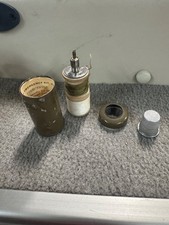 Vintage Advertising Pocket Travel Sewing Kit Thimble Thread Set
£36.25
Vintage Advertising Pocket Travel Sewing Kit Thimble Thread Set
£36.25
 SILVER TONE Metal SEWING THIMBLES Set Closed Top Dressmakers Tailor Thimble
£2.96
SILVER TONE Metal SEWING THIMBLES Set Closed Top Dressmakers Tailor Thimble
£2.96
 Vintage Cloisonné Brass & Enamel Highly Decorated Thimbles - set of 4
£26.70
Vintage Cloisonné Brass & Enamel Highly Decorated Thimbles - set of 4
£26.70
eBay listings may contain affiliate links. We may earn a commission from qualifying purchases.